Relieve Inflamed Gums in 10–14 Days With Saltwater and Flossing

About this guide: Published by Flossy, the retailer of Flossy Oral Jet. This guide includes our own products and provides general oral-care information. For advice about your teeth, gums or dental appliances, consult your dentist.
Inflamed gums relief starts with a saltwater rinse and gentle mechanical plaque removal, not a bottle of mouthwash. Rinse with half a teaspoon of salt in 240 ml of warm water two to three times daily, apply a cold compress to any outer swelling, then brush softly and clean between your teeth once the soreness eases. If things haven’t improved in 10 to 14 days, or you notice pus, fever, or loose teeth, book a dentist rather than waiting it out.
TL;DR:
- Saltwater rinses and gentle brushing remain the most effective home remedies for reducing gum inflammation, especially within the first two weeks.
- Propolis products and oral probiotics show promising results but should be used as adjuncts to routine plaque removal, not replacements.
- Persistent signs like pus, fever, loose teeth, or spreading swelling require urgent dental evaluation rather than continued home care.
- Using a water flosser can improve interdental cleaning effectiveness, especially for braces or implants, but cannot replace professional tartar removal.
- Maintaining daily hygiene habits and scheduling dental visits every three to four months are key to preventing recurrent gum inflammation.
Table of Contents
- What causes inflamed or swollen gums?
- What home remedies reduce gum inflammation?
- When should you see a dentist for swollen gums?
- How can you prevent gum inflammation from coming back?
- What does the clinical evidence say about water flossers?
- Our quick take on treating inflamed gums
- A practical adjunct for daily plaque control
- Sources
- FAQ
What causes inflamed or swollen gums?
Plaque is the usual suspect. When it sits along the gumline too long, it hardens into tartar and triggers gingivitis, the mild, reversible form of gum disease. Harvard Health points out that gingivitis is common but responds well to consistent home care and professional cleaning.
Plaque isn’t the only cause, though. A few other culprits show up often enough that they’re worth ruling out:
- A dental abscess, which causes localised, throbbing swelling and sometimes a bad taste
- Trapped food debris around a specific tooth
- Braces, retainers, or dentures rubbing against soft tissue
- Recent dental work still settling
- Hormonal shifts (pregnancy, puberty, menstrual cycle changes)
- Diabetes, certain medications, smoking, and nutritional gaps like low vitamin C
Left untreated, gingivitis can progress to periodontitis, where inflammation spreads below the gumline and starts breaking down the bone that holds your teeth in place. That’s a different, more serious conversation with your dentist, one involving deeper cleaning and closer monitoring rather than a rinse and a toothbrush upgrade.
What home remedies reduce gum inflammation?
A saltwater rinse is still the most reliable starting point, and there’s a reason it’s stuck around: salt draws fluid out of swollen tissue and creates a mildly antiseptic environment that plaque bacteria don’t love. Use it two to three times a day, swishing for 30 seconds before spitting.
Here’s a practical sequence for the first week:
- Rinse with saltwater after meals, especially before bed.
- Apply a cold compress to the outside of your cheek for 10 minutes if swelling is visible; switch to warm compresses after the first day or two if you’re dealing with lingering ache rather than acute puffiness.
- Try aloe vera gel dabbed directly on the gumline, or a turmeric paste (turmeric mixed with a little water) left on for a few minutes then rinsed off.
- Consider propolis products, whether chewing gum or mouthwash. A randomised trial found both propolis chewing gum and propolis mouthwash produced significant reductions in gingival inflammation over the study period, with similar results between the two.
- Keep mechanical cleaning going through all of this. Remedies calm the tissue; brushing and interdental cleaning remove the plaque actually causing the problem.
Pro Tip: If a dentist has prescribed chlorhexidine mouthwash, stick to the short course they’ve recommended. Longer-term use is linked to tooth staining and altered taste, so it’s a sprint, not a daily habit.
There’s also emerging interest in oral probiotics. One double-blind trial of 116 participants found that a heat-inactivated postbiotic reduced gum bleeding compared with placebo after six weeks. It’s a promising adjunct, not a replacement for brushing.
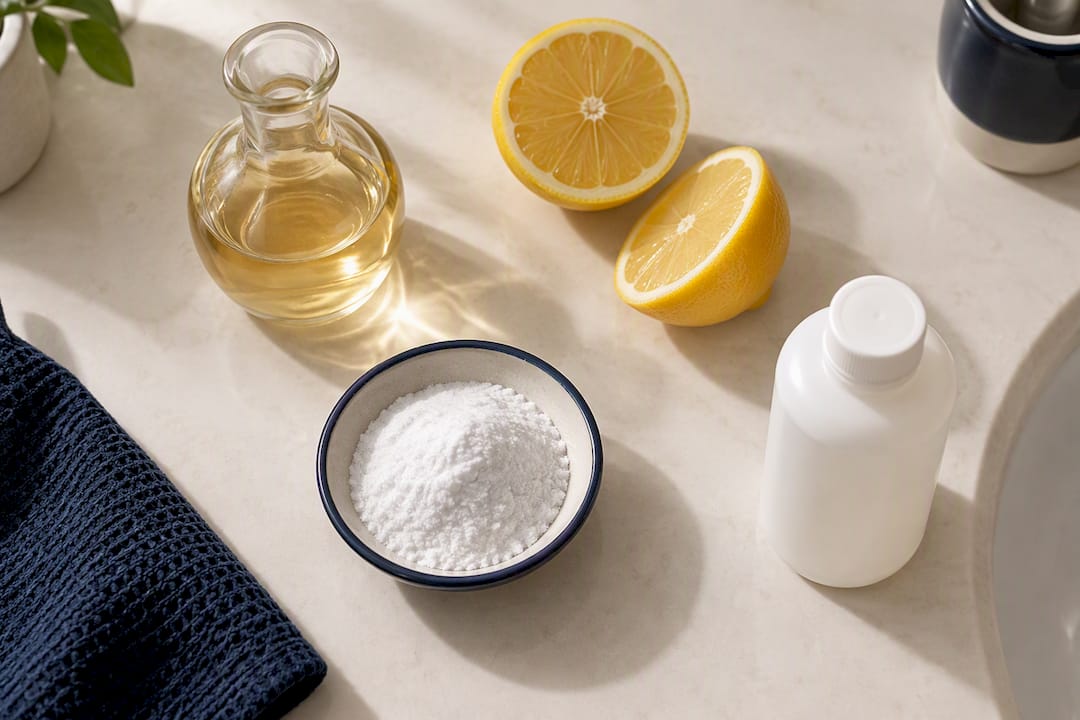
What to avoid entirely: apple cider vinegar, undiluted hydrogen peroxide, and lemon or baking soda pastes. Healthdirect warns that acidic or full-strength rinses can irritate already-inflamed tissue and wear down enamel, which makes the problem worse, not better.
When should you see a dentist for swollen gums?
Mild gum inflammation with good home care typically settles in 10 to 14 days. Moderate cases, where there’s more bleeding or tartar build-up, can take several weeks to fully calm down, according to the protocol Oral Health HQ outlines.
Some signs mean you shouldn’t wait that long:
- Pus or a bad taste coming from the gum
- Swelling spreading into your cheek or jaw
- Fever alongside gum pain
- Teeth that feel loose or shift when you bite
- Pain that’s getting worse instead of better after a few days
A dentist will usually start with a professional clean (prophylaxis or scaling), move to scaling and root planing for deeper tartar, or prescribe antibiotics and urgent drainage if there’s an abscess. Clinical guidance on periodontal care confirms scaling plus oral hygiene coaching is the standard first step for reducing plaque-driven inflammation.
Pro Tip: Book a follow-up clean every three to four months if you’ve had gum inflammation before. Waiting the standard six months between visits gives plaque more time to build back up.
How can you prevent gum inflammation from coming back?
Consistency beats intensity here. A few small habits, done daily, matter more than one thorough clean a week.
- Brush for two minutes, twice a day, angling a soft-bristled brush at 45 degrees along the gumline. An electric toothbrush makes this easier to get right every time.
- Clean between every tooth daily, either with floss or a water flosser. Multiple randomised trials cited by Oral Health HQ show water flossing reduces bleeding more than skipping interdental cleaning altogether, and it’s noticeably easier to manage with braces or implants than threading string floss under a wire.
- Use mouthwash as a backup, not a substitute. Save chlorhexidine for short, prescribed courses; for everyday use, a CPC-based rinse or plain saltwater does the job without the staining risk.
- Address the lifestyle factors that stack the odds against you. Quitting smoking, keeping blood sugar in range if you have diabetes, and getting enough vitamin C all support healthier gum tissue.
- See your dentist for cleaning based on your risk, not a generic calendar reminder. Low-risk mouths might get away with once a year; anyone with a history of gingivitis, braces, or gum disease in the family should aim for every three to four months.
What does the clinical evidence say about water flossers?
Reviews and randomised trials consistently show water flossers reduce bleeding and plaque more effectively than skipping interdental cleaning, and often outperform string floss for people who find flossing awkward or painful around braces and implants, per the evidence summarised by Oral Health HQ.
The Flossy Oral Jet is built around that gap: a pocket-sized, cordless water flosser with USB-C charging and multiple pressure modes for sensitive gums.
- Start on the lowest pressure setting if your gums are inflamed
- Point the tip at 45 degrees to the gumline
- Sweep slowly, spending one to two seconds per tooth
- Increase pressure only once it’s comfortable
Pro Tip: A water flosser is an adjunct, not a substitute for scaling. If tartar has already hardened along the gumline, only a dentist or a hygienist can remove it.
Our quick take on treating inflamed gums
Most people overcomplicate this. The fastest path to relief is boring: saltwater, gentle brushing, daily interdental cleaning, and patience over a week or two. Fancy topical pastes and rinses help around the edges, but they don’t replace the plaque removal that actually resolves the inflammation.
- Start saltwater rinses and a cold compress today if swelling is visible
- Keep brushing and interdental cleaning going, even when gums feel tender
- Book a dentist if nothing’s changed after 10 to 14 days, or sooner if you spot pus, fever, or loose teeth
— Spencer
A practical adjunct for daily plaque control
Officialflossy is the daily-use alternative to skipping interdental cleaning altogether. Where string floss gets abandoned halfway through a busy week, or fumbled around braces and bridges, a cordless water flosser fits into two minutes after brushing and travels with you.
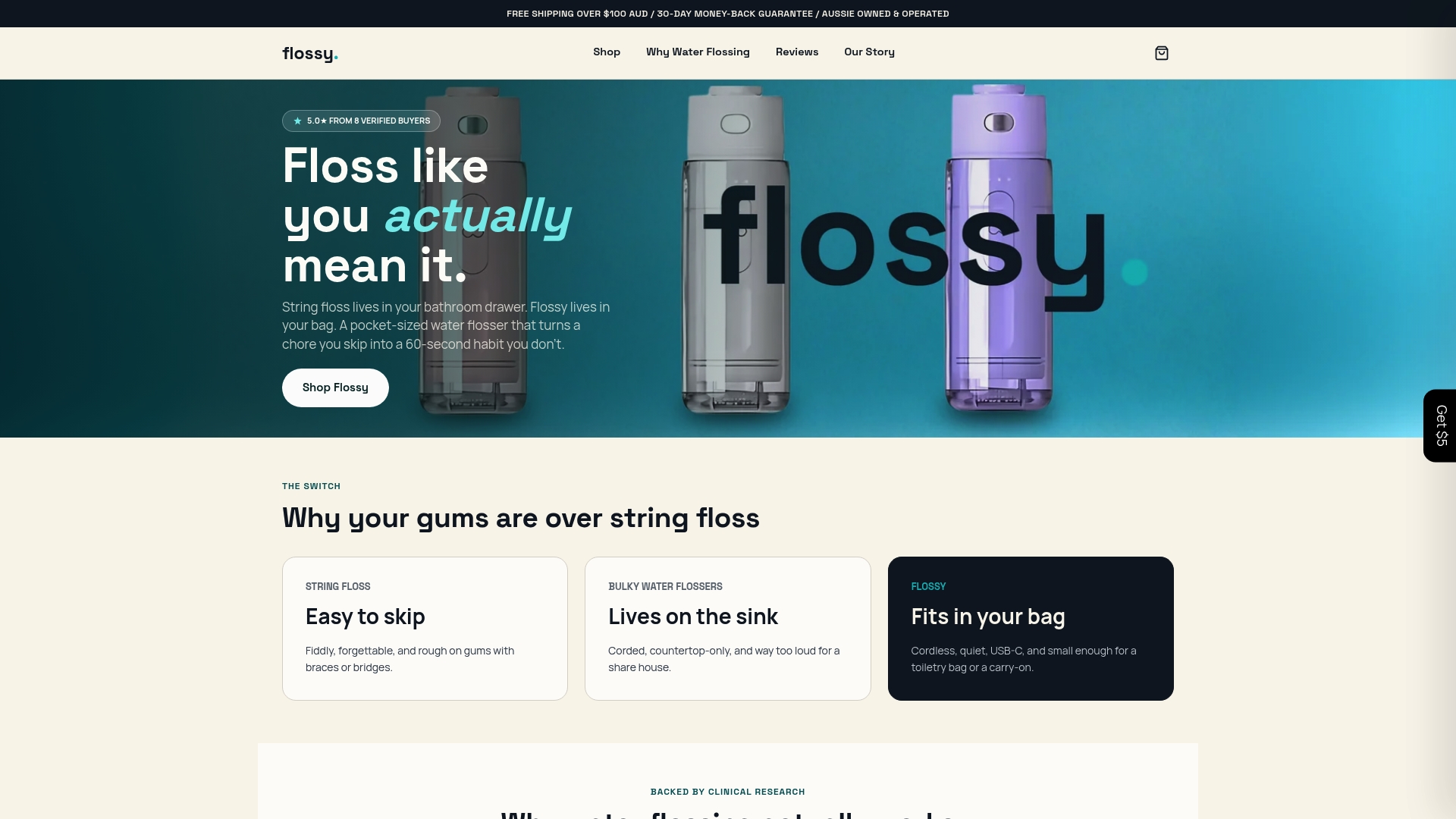
The Flossy Oral Jet is a pocket-sized, cordless water flosser with USB-C charging and multiple pressure modes designed for sensitive or inflamed gums, and it’s built to work gently around braces, implants, and other dental appliances. Sold at $59.99 AUD, it’s available alongside the Flossy Couples Bundle for two people sharing a bathroom routine, and the Flossy Family Bundle for households cleaning up flossing habits across the board.
If your gums are still tender, start on the lowest pressure setting, keep the tip angled at the gumline, and follow the guidance in the box. Browse the range and add daily water flossing to the routine your gums are asking for.
Sources
- Gingivitis: Reversing and preventing early gum disease - Harvard Health
- Periodontal disease evidence and management (NCBI Bookshelf)
- Investigating the effect of propolis-containing chewing gum in comparison with propolis-containing mouthwash on reducing gingival inflammation
- Gingivitis treatment 2026 — evidence-based protocol to reverse it (Oral Health HQ)
FAQ
How do you make gum inflammation go down?
Rinse with warm saltwater two to three times a day, apply a cold compress to any visible swelling, and keep brushing and interdental cleaning going as soon as it’s comfortable. A randomised trial found propolis mouthwash and chewing gum also reduced gingival inflammation as an adjunct to these steps.
What triggers inflamed gums?
Plaque build-up along the gumline is the most common trigger, often worsened by tartar, trapped debris, or ill-fitting braces and dentures. Hormonal changes, diabetes, certain medications, and smoking can all make gums more prone to swelling, according to Harvard Health.
How long do inflamed gums take to go away?
Mild cases usually settle in 10 to 14 days with consistent saltwater rinses and mechanical plaque removal, while moderate inflammation can take two to four weeks, per the protocol outlined by Oral Health HQ. If there’s no improvement in that window, see a dentist rather than continuing home care alone.
How can I reverse gum inflammation?
Gingivitis is reversible mainly through daily brushing, interdental cleaning, and professional scaling to remove built-up tartar, as Harvard Health confirms. A water flosser like the Flossy Oral Jet can support that routine, especially for people who struggle with string floss around braces or tight contacts.
How much does the Flossy Oral Jet cost?
The Flossy Oral Jet is $59.99 AUD as a one-off purchase, with couples and family bundles available for multiple users.
Recommended
Meet the Flossy Oral Jet
Cordless, five nozzles, three pressure modes, and small enough to live in your bag.